 +86 139 1520 0887
 info@migreatmachinery.com
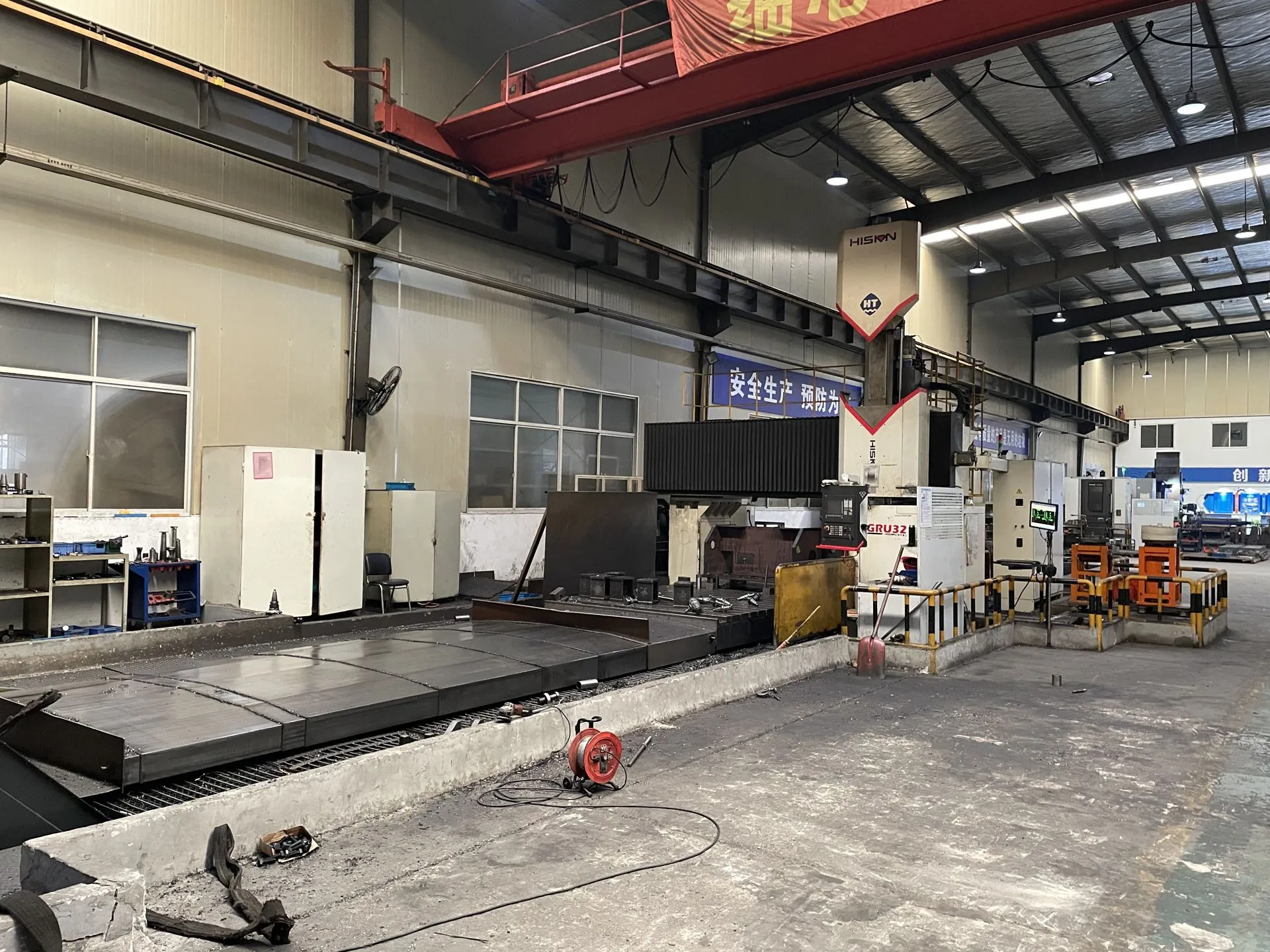
What is a screw conveyor? It is a machine that lifts powder and granules from a feed hopper up an inclined tube with a turning screw, also called a screw feeder, and it is the usual way to feed a mixer, a packer or a hopper. A vacuum conveyor sucks powder through a closed pipe into a hopper and drops it into the machine below. A belt conveyor carries bulk material along its length, often on an incline.
The choice depends on what sits at each end, the dust you can accept, the layout and the cleaning. Migreat builds the MJ-S screw conveyor with tubes of 89 to 219 mm and an output of 1 to 15 m3/h, and the ZKS vacuum loader with 400 to 6,000 kg/h and a conveying distance of 5 m up to 20 m.
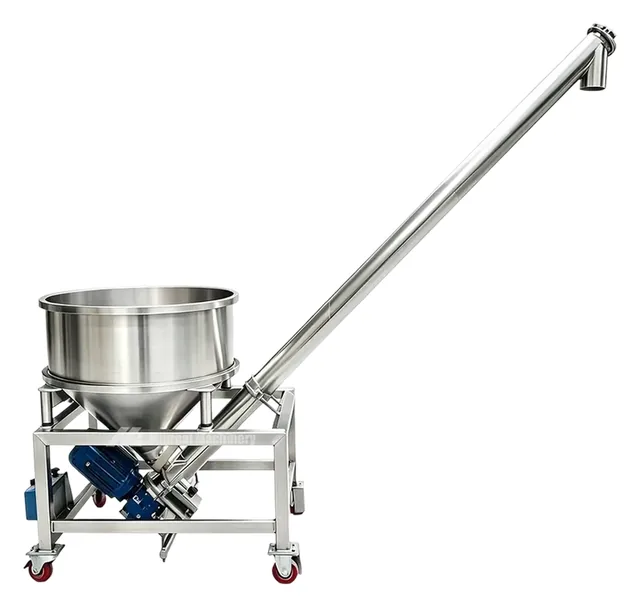
- MJ-S screw feeder, 6 models, 0.75 to 3 kW, feed hopper on a mobile frame
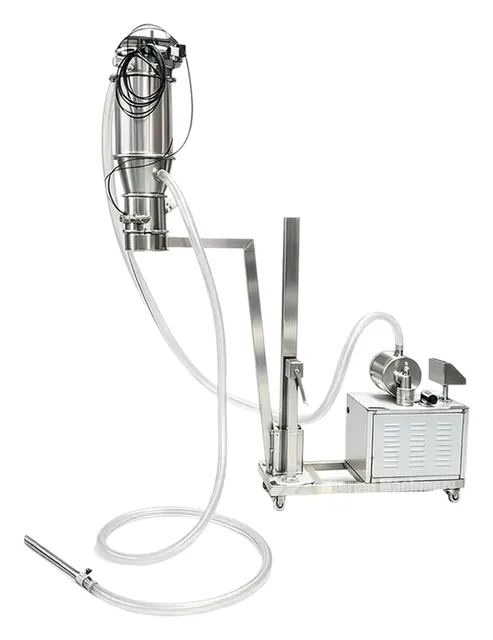
- ZKS vacuum loader, 9 models, 1.5 to 11 kW, automatic level control
- Vacuum capacity falls as the distance grows, so quote it at your distance
- A belt conveyor is not in our range, and the page treats it as the open alternative
Search for what is screw conveyor, or what is a screw conveyor, and the results are mostly drawings and part names, which is fair for a first question. The harder question comes later, when a plant has to pick between a screw, a vacuum line and a belt for the powder it actually makes. The answer is not in the drawing, it is in the material and the layout.
This page answers what is a screw conveyor, shows the screw conveyor diagram and its parts, lists the design points that decide the output, explains how a vacuum conveyor works, and sets the three side by side. It reads the MJ-S and ZKS tables, works through a sizing example and lists what to ask in a quotation. It does not cover pneumatic dense phase systems or bucket lifts, which are separate subjects.
What is a screw conveyor, in plain terms
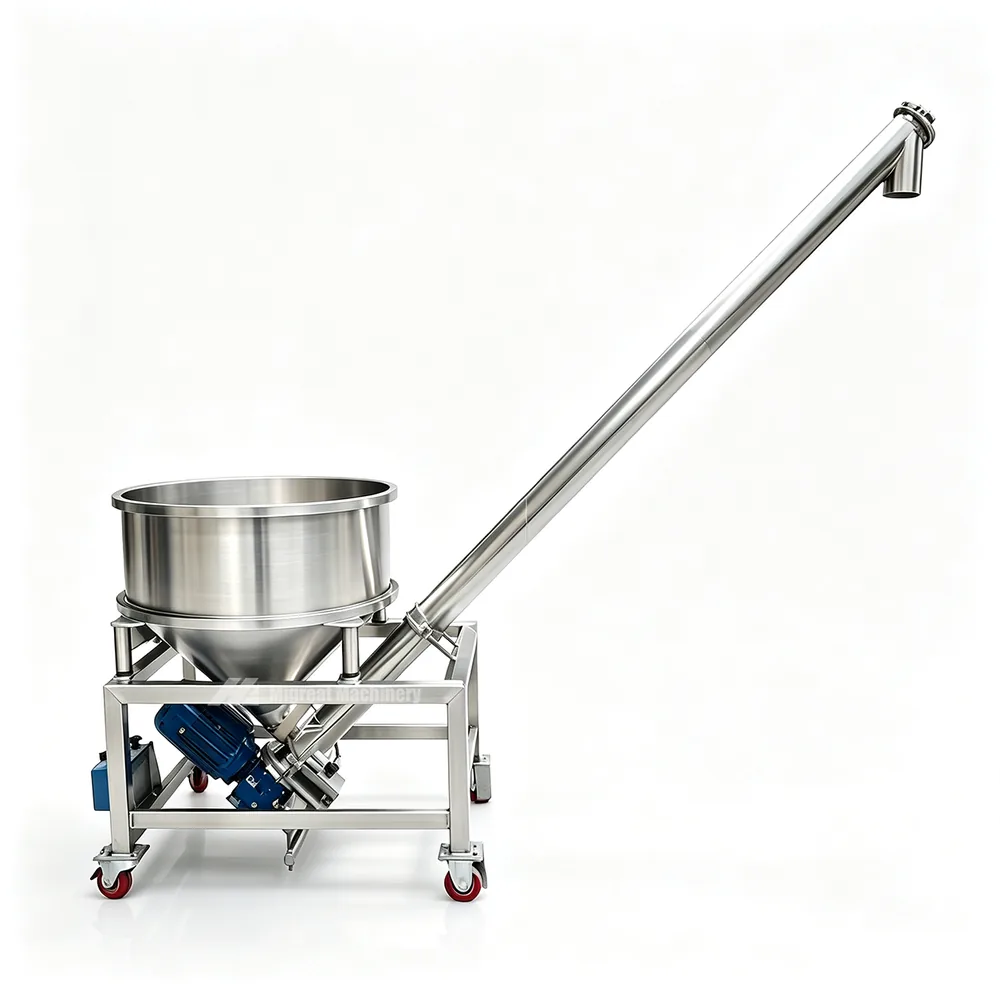
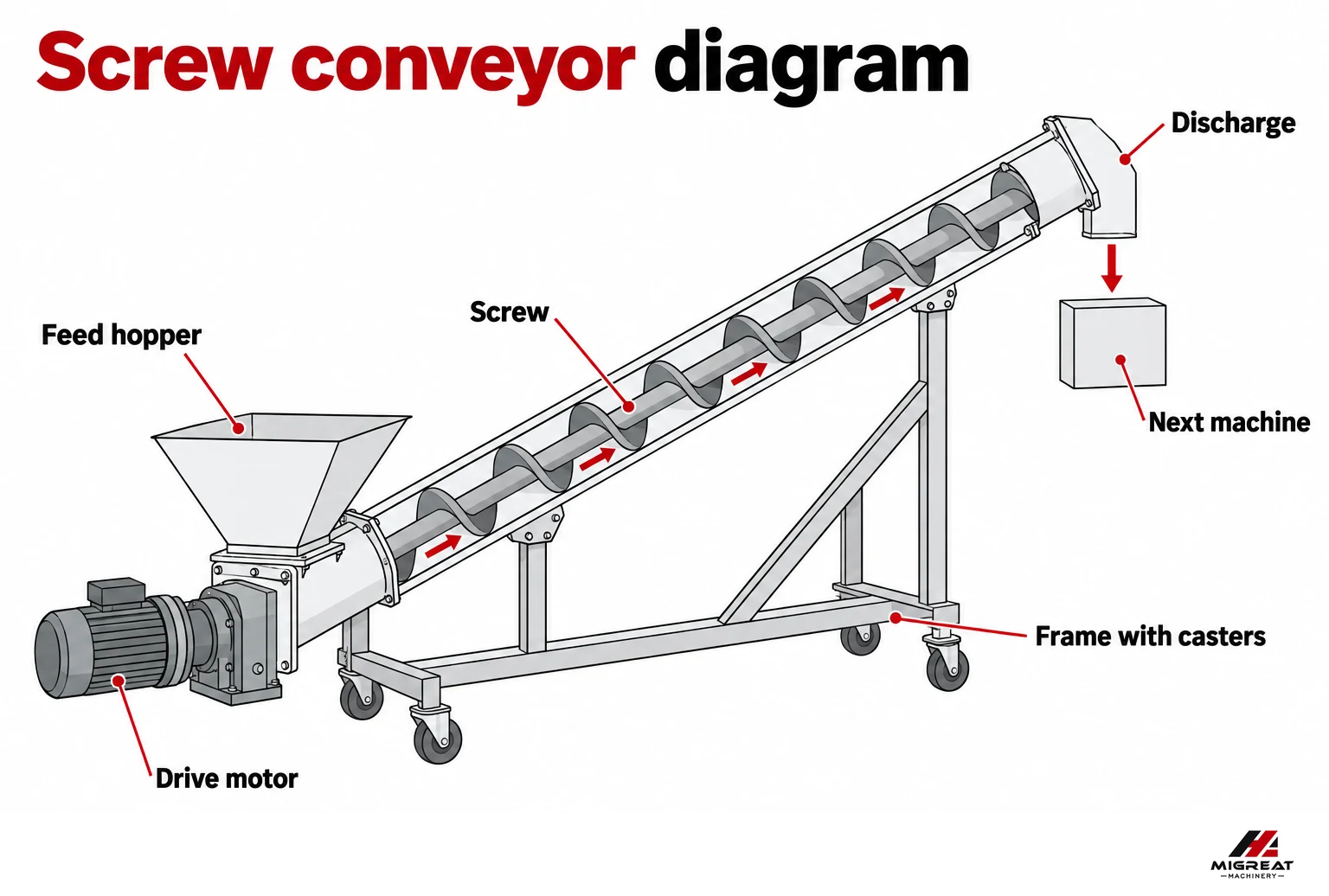
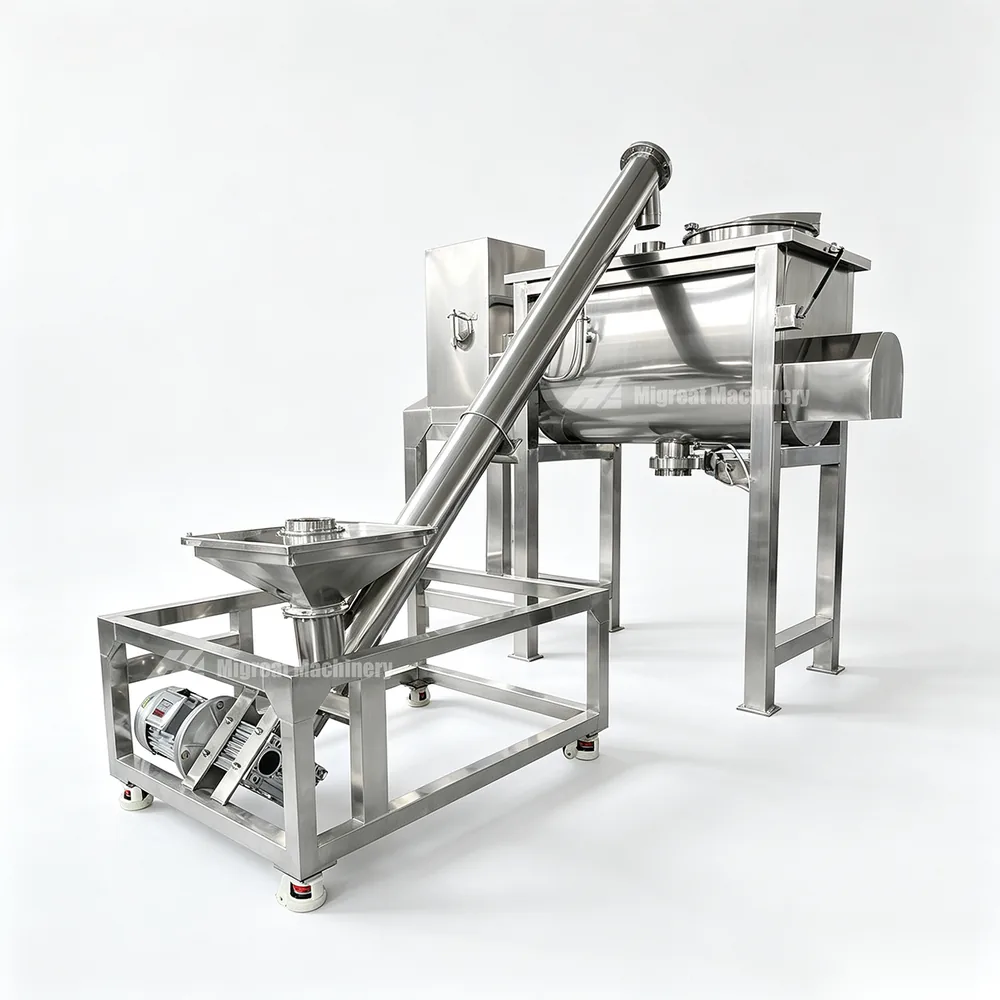
What is a screw conveyor for? It moves powder or granules along a tube with a turning screw, called an auger, and it is a common feeder for grinders, mixers and silos. The MJ-S page puts it simply. The screw conveyor and the screw feeder are the same machine. Material goes into a feed hopper at the foot, the screw carries it up the tube, and it falls out at the top into the next machine.
The strengths are plain. It is enclosed, so the dust stays in the tube, it handles an incline, it is simple, and it meters the flow, because the output follows the screw speed. The limits are just as plain. It can pack or heat a sensitive powder, it grinds fragile particles against the tube wall, and it is slower to clean between products than an empty pipe.
Screw conveyor diagram and screw conveyor parts
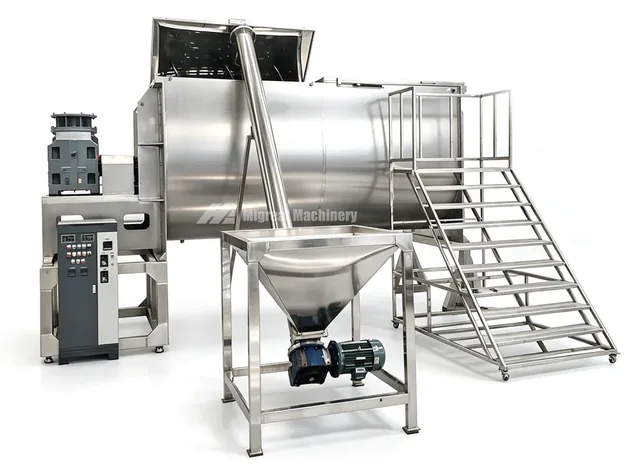
A screw conveyor diagram shows five items. The feed hopper, the tube, the screw, the drive and the discharge. The MJ-S adds a frame with casters, so that the conveyor can be moved between machines. The photographs show the conveyor feeding a mixer and the foot with its hopper.
Types of screw conveyor and which one this is
Screw conveyors come in several forms. A horizontal one moves material along a flat trough. An inclined one, like the MJ-S, lifts it up a slope. A flexible one drives a spring-like screw inside a plastic tube and can bend around obstacles. A shaftless one uses a screw with no center shaft and handles sticky material. The MJ-S page describes the inclined type with a feed hopper at the foot, and it is the only form Migreat lists.
The type matters because it sets what the machine can do. A flexible conveyor reaches round a corner and is cheap, but its capacity is small and the plastic tube limits the temperature. A shaftless conveyor suits wet and sticky feeds. An inclined metal screw is the sturdy choice for dry powder and granules at moderate output, and a mobile frame makes it easy to reuse between machines.
Feeding and metering with a screw
A screw is also a feeder, and the two jobs differ. As a conveyor it just moves material from one place to another. As a feeder it meters the flow, and the speed of the screw sets the rate. The MJ-S page uses both names for the same machine, which is accurate, since the machine does both.
For accurate dosing the screw must be fed evenly, and a bridging hopper ruins it. A feeder that sits under a hopper needs a hopper shape that lets the powder fall, and a cohesive powder needs help from a vibrator or a stirrer. If the batch weight must be exact, a weigh system sits under the receiving vessel, and the screw only fills it.
How a screw feeder works
The material enters the hopper at the foot and falls onto the screw. As the screw turns, the flights push the material along the tube, and friction against the tube wall stops it from simply spinning with the screw. At the top the material falls out into the next machine. Length, angle and hopper are set to your layout, as the MJ-S page says.
The speed of the screw sets the output. A faster screw moves more material per hour, up to the point where the tube is full, and past that point the powder packs and the output stops rising. The page rates the six models at 1 to 15 m3/h, and the model is chosen from the volume you need to move per hour, not the weight. Convert with the bulk density of your powder, measured loose and not tapped, because that is how the powder sits in the hopper.
Reading the MJ-S model table
The six models run from a tube of 89 mm to one of 219 mm. Power rises from 0.75 to 3 kW, and the output from 1 to 15 m3/h. The tube diameter is the main driver of output, and the larger tubes carry roughly an order of magnitude more material than the smallest.
The page does not state the incline angle or the screw speed that the output assumes. Both matter, because capacity falls as the angle rises. Ask for the output at your angle and your powder, and check how much of the tube the powder fills at that rate. A tube that runs nearly full packs the powder and heats it.
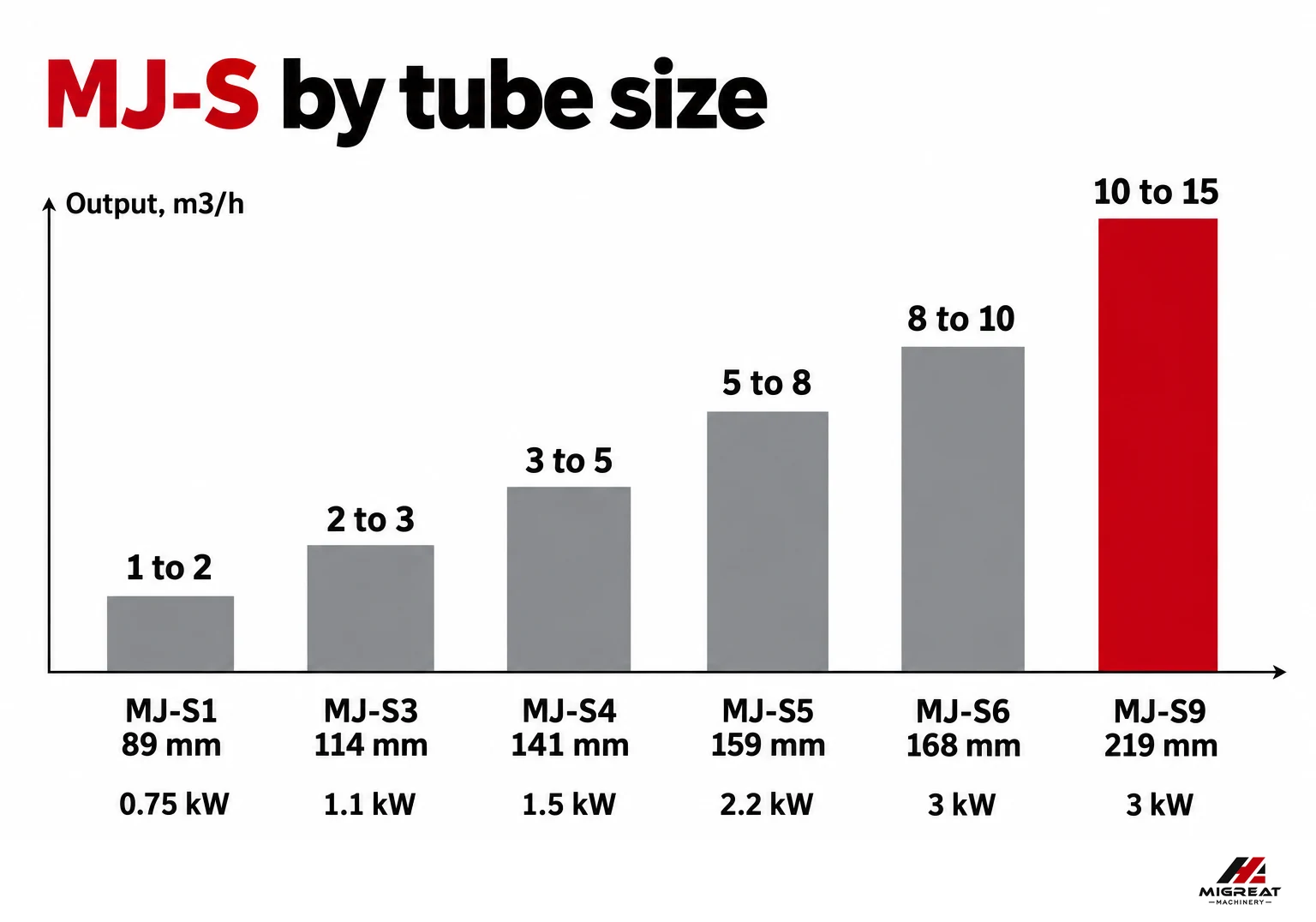
Screw conveyor design points
Screw conveyor design comes down to five choices. The tube diameter, the screw pitch, the screw speed, the angle and the length. Larger diameter and faster speed raise the output, a steeper angle lowers it, and a longer run raises the power needed and the wear.
The powder changes the picture. A free flowing powder fills the screw well. A cohesive powder bridges in the hopper and needs a vibrator or an agitator at the foot. An abrasive powder wears the screw and the tube. A fragile granule breaks. A sticky powder coats the screw. In each case the answer is a trial or a supplier with experience of your powder, since no table covers all of them.
What is a vacuum conveyor and how does it work
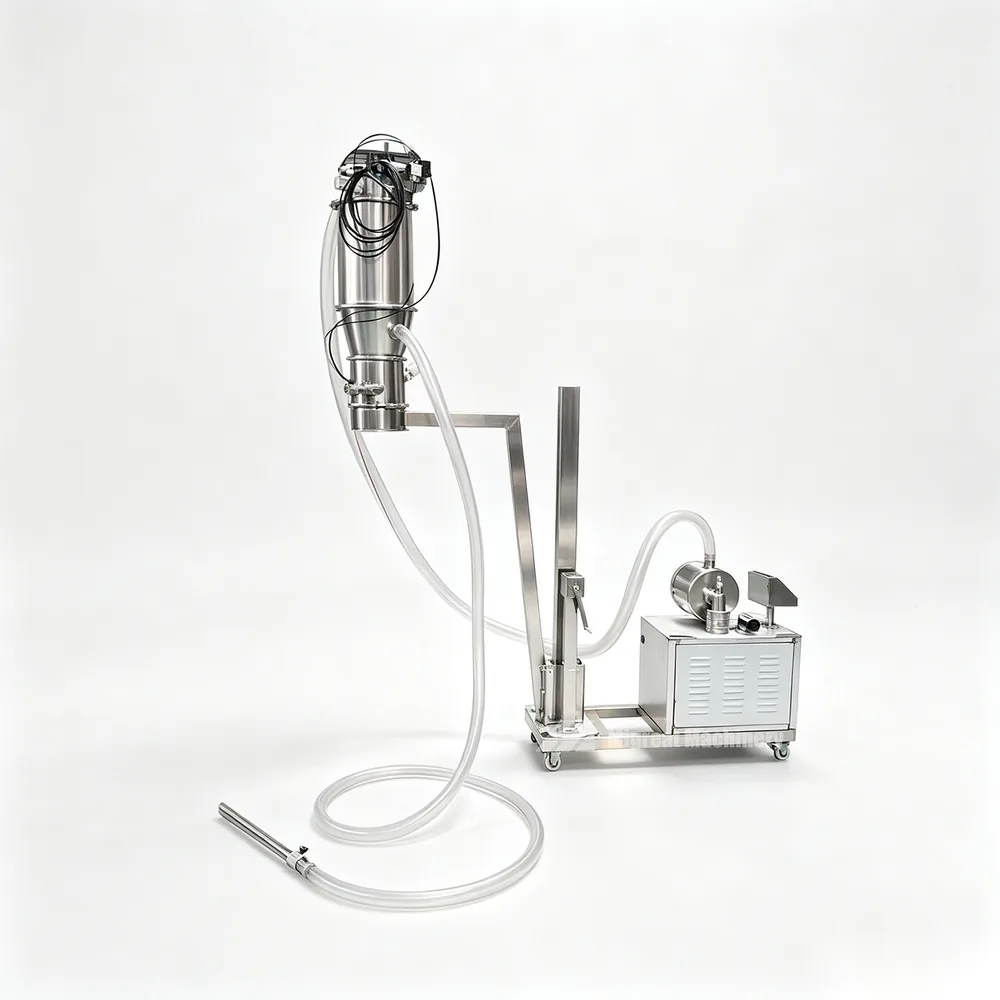
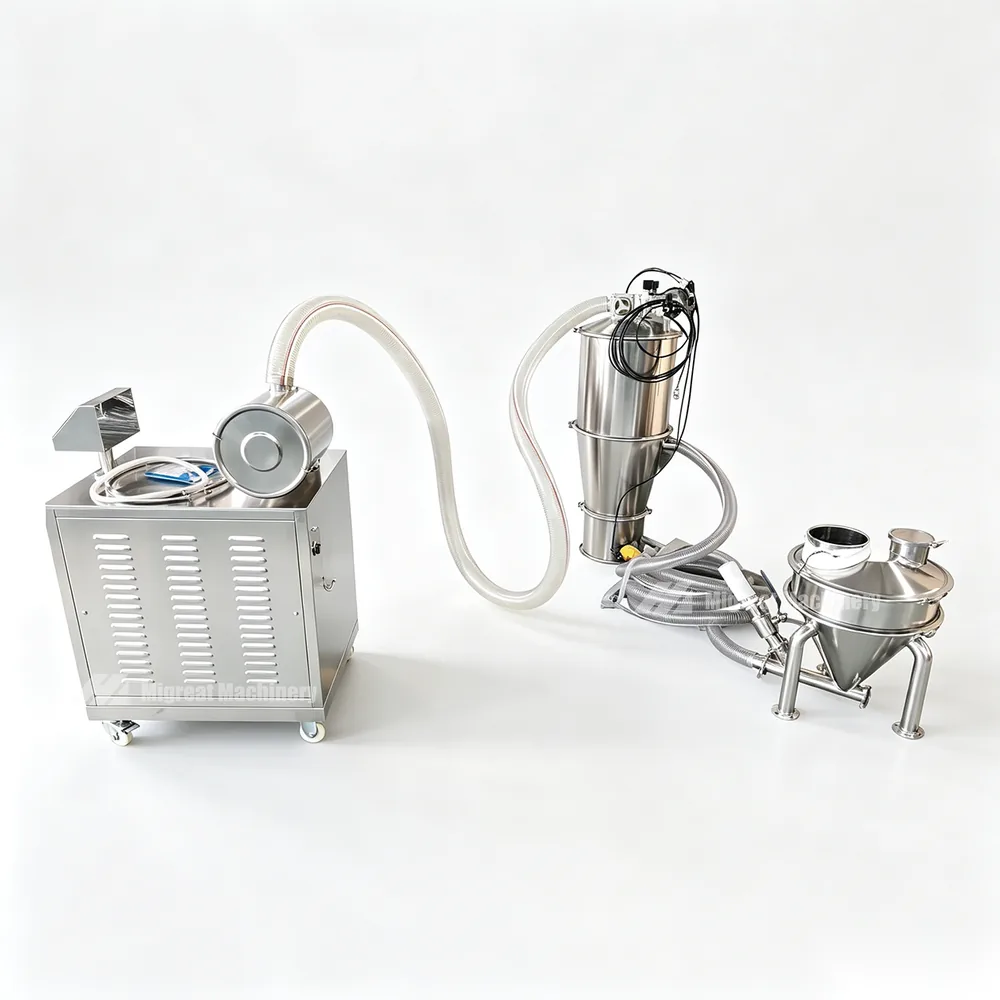
A vacuum conveyor, also called a vacuum feeder or vacuum loader, moves powder by air. The ZKS uses a vacuum pump to draw air, so the suction nozzle and the whole system are under vacuum. Powder is sucked in with the outside air, passes through the suction pipe and reaches a hopper, where it separates from the air. A pneumatic three way valve then opens and the powder drops into the receiving equipment.
Three features matter for hygiene and cost. The powder travels in a closed pipe with no open handling. A pulse of compressed air blows the powder off the filter on every discharge, so suction stays normal. And a level controller stops feeding when the receiving machine is full and starts it again when it runs low. The whole cycle is automatic.
The page says the capacity is the maximum output at a conveying distance of 5 m with powder. The longer the distance the lower the capacity, and it also depends on the material. The ZKS-10-6 and ZKS-20-5 are rated at 10 m and 20 m. The table shows eight of the nine models, and the ZKS-6 is the ninth.
Vacuum conveyor vs screw conveyor, when to use which
The vacuum conveyor vs screw conveyor question comes up whenever a plant feeds a mixer or packer. A screw is the simple, low cost answer for a fixed position and a short, inclined run. A vacuum loader is the better answer when dust, hygiene or a changing layout matter, because the pipe can bend and a cleaning cycle is built in.
Cost goes both ways. A screw has a low price and low power, 0.75 to 3 kW on the MJ-S, and a vacuum loader uses 1.5 to 11 kW and a pump. A screw has more parts in contact with the powder, so it takes longer to clean. If the plant runs one product, the screw wins on cost. If it runs many, the vacuum loader may pay back in cleaning time.
How the powder behaves in a conveyor
Powders are not all alike, and the conveyor sees the difference first. A free flowing powder fills a screw evenly and falls cleanly at the top. A cohesive powder bridges and rat-holes in the hopper and feeds in surges. A fine, aerated powder can flood, passing through a screw without control. An abrasive powder wears the screw and the tube. A heat sensitive powder warms up if it is pushed along a full tube for a long run.
Blends add another risk, which is separation. A mixed powder with a coarse part and a fine part can separate as it moves, with the fines falling to the bottom of the stream. A short, gentle transfer and a quick path from the mixer to the packer limit it, and so does a lower fall height at the discharge, where the stream breaks up. If a blend is critical, check the quality after the conveyor and not only after the mixer.
Safety, wear and upkeep
A screw has moving parts that must be guarded. The hopper needs a grid so that hands cannot reach the screw, and the drive needs a cover and a stop. The tube joints need to be tight to keep dust in, and the screw wears slowly on abrasive powders. Check the clearance between screw and tube at each service, because a worn screw carries less and heats the powder more.
A vacuum loader has a filter and a valve to look after. The filter is cleaned by a pulse of compressed air on every discharge, so check the compressed air supply and the filter condition regularly. A worn valve seal or a blocked filter shows as a drop in capacity. Keep the spares list from the supplier and replace the filter on a schedule.
Where a belt conveyor fits
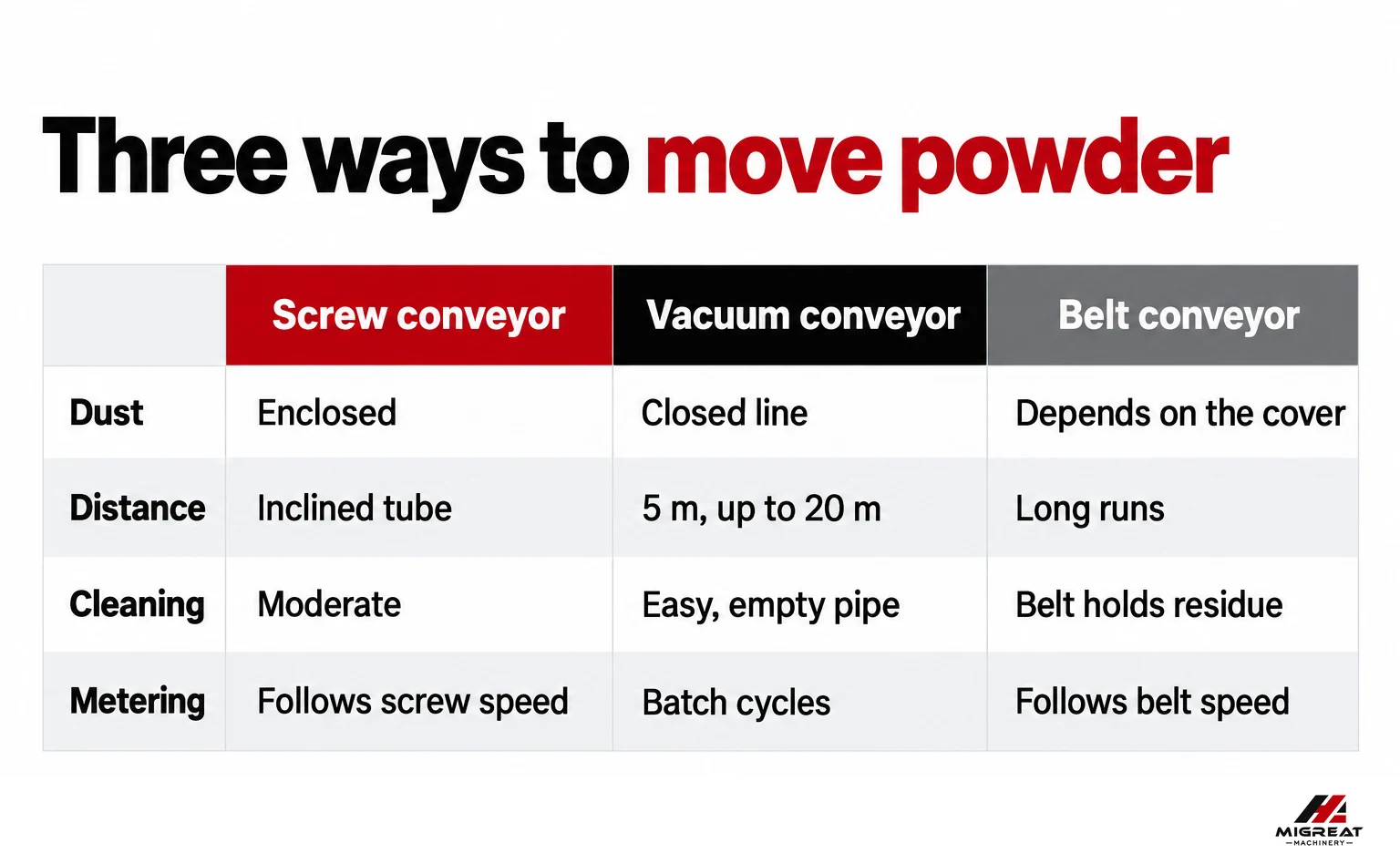
A belt conveyor carries bulk material along a belt, often on an incline, and it is the usual choice for coarse, free flowing material over longer distances. It is not part of the Migreat range, so this page treats it as the open alternative. For powder it has two weaknesses, which are dust at the loading and discharge points and the difficulty of cleaning a belt between products.
It still has a place. Moving crushed material from a floor hopper to a coarse crusher, or lifting granules over a long run, are belt jobs. A cover, a hood and a dust connection improve it for powder. The usual comparison of a screw conveyor vs belt conveyor comes down to dust, distance and cleaning, and the table below sets it out.
Screw conveyor vs belt conveyor vs vacuum conveyor
How to choose in four questions
Look at both ends
What feeds the conveyor and what receives the powder decides the type and the connection. A floor hopper to a mixer on a platform is different from a silo to a packer.
Rank dust and hygiene
Food and pharmaceutical lines favor closed transfer. Ask what dust is acceptable at the feed and the discharge.
Check the layout
Incline, distance and available space narrow the choice quickly. A vacuum line can take a path around obstacles that a straight tube cannot.
Plan cleaning
Think about how often the product changes and how you clean between runs. A screw takes longer to clean than an empty pipe.
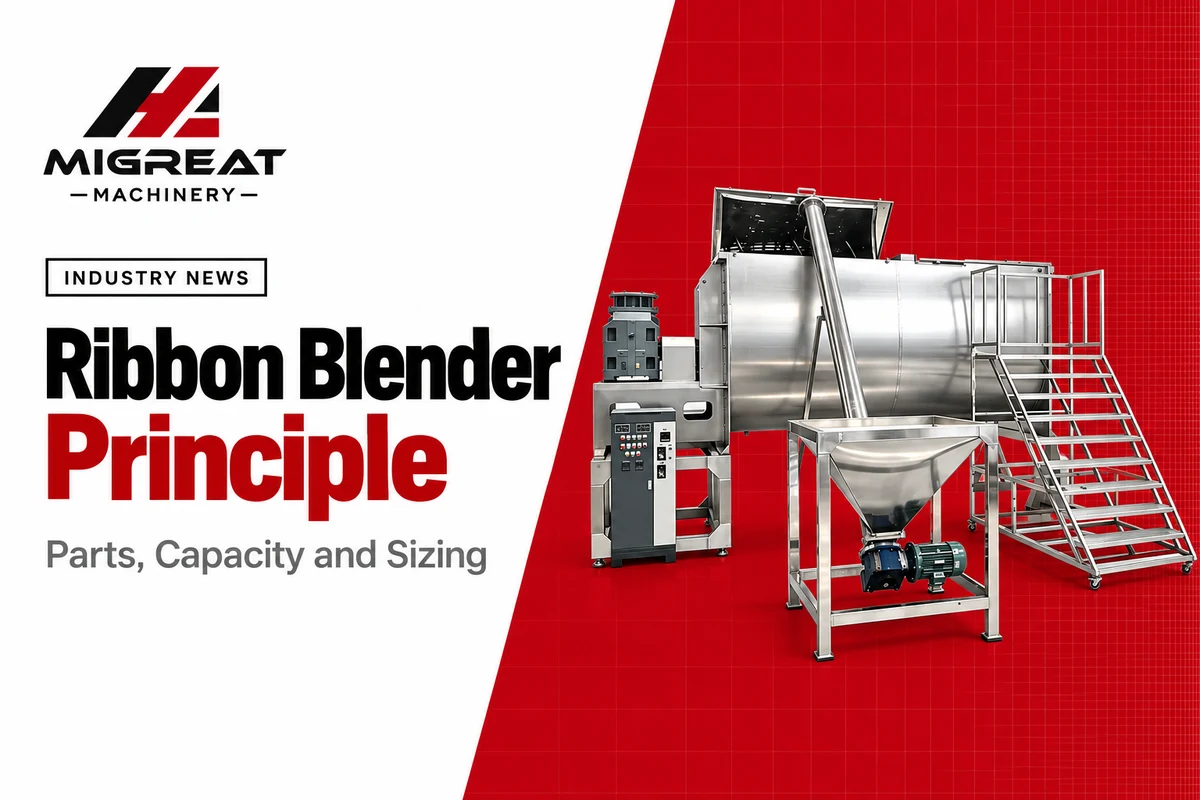
Conveying is one stage of a line. The integrated powder line page shows how it links to the stages around it, and the ribbon blender page shows a blender fed by a screw and a silo.
A worked example, feeding a mixer
A plant wants to load a 1,000 L ribbon mixer with 400 kg of powder, bulk density 0.6 kg per liter, in ten minutes. The batch is about 670 L, which is 0.67 m3. To move it in ten minutes the conveyor must carry about 4 m3/h or 2,400 kg/h.
On the MJ-S table that points to the MJ-S4, rated 3 to 5 m3/h, or the MJ-S5 with some margin. On the ZKS table it points to the ZKS-4 at 2,500 kg/h at 5 m, with the ZKS-5 if the distance is longer or the powder is difficult. The choice then turns on dust and cleaning. If the plant can accept an enclosed screw and a fixed position, the MJ-S is the simple answer. If the powder is fine, dusty or changes often, the vacuum loader is the cleaner one.
Mistakes buyers make
- Choosing by tube size and ignoring the incline, which lowers the real output.
- Quoting the vacuum capacity at 5 m and installing it at 15 m.
- Using a screw for a fragile granule that breaks against the tube.
- Leaving out a vibrator on a hopper that bridges.
- Forgetting how the conveyor will be cleaned between products.
What to ask in the quotation
- The output at your angle or distance, with your powder and its bulk density.
- The contact materials and the way the conveyor is cleaned.
- Speed control, level control and the interlocks for the receiving machine.
- The hopper volume, the connection and any vibrator.
- A trial with your powder where it is cohesive, fragile or sticky.
Conveyors at work
The videos show a screw conveyor feeding a ribbon mixer from a silo, a crusher fed by a conveyor, and a vacuum conveyor in action.


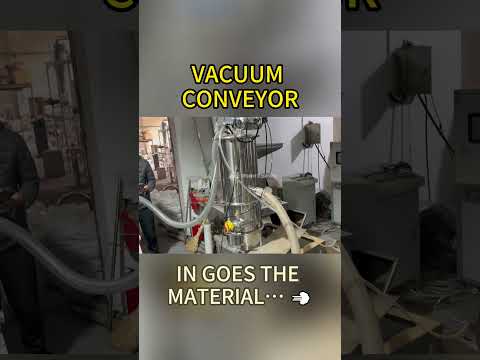
Look at both ends of the conveyor first, and size it for your powder, your angle and your distance.
Send the powder, the layout and the output you need through the contact page, and an engineer can recommend a conveyor. The MJ-S screw conveyor and ZKS vacuum loader pages list the models, and the conveying machines page shows the range.
Conveyor FAQ
QWhat is a screw conveyor?
A screw conveyor moves powder and granules along an inclined tube with a turning screw. The MJ-S has a feed hopper at the foot and a mobile frame, and feeds mixers, packers and hoppers. Tube sizes run from 89 to 219 mm across six models, with 1 to 15 m3/h of output.
QHow does a screw conveyor work?
Material goes into the feed hopper at the foot. A turning screw carries it along the tube, and it leaves at the top into the next machine. Length, angle and hopper are set to your layout, and the screw speed sets the output.
QWhat is another name for a screw conveyor?
A screw feeder, or an auger conveyor. On our MJ-S page the screw conveyor and the screw feeder are the same machine, which lifts powder and granules from a feed hopper up an incline.
QWhat is the difference between a screw conveyor and a vacuum conveyor?
A screw conveyor moves powder mechanically with a turning screw in a tube. A vacuum conveyor moves it by air, sucking powder through a closed pipe into a hopper and dropping it into the machine below. The ZKS carries 400 to 6,000 kg/h up to 20 m.
QWhat is the purpose of a vacuum conveyor?
To move powder between machines without open handling, with a level controller that starts and stops feeding by itself. The ZKS runs suction, conveying and filter cleaning in one automatic cycle, and a pulse of compressed air cleans the filter on every discharge.
QWhat are the three types of conveyors for powder?
This guide compares screw, vacuum and belt conveyors. A screw conveyor feeds through an enclosed tube, a vacuum conveyor moves powder by air in a closed pipe, and a belt conveyor carries bulk material along its length. Our range has the first two.
QHow do I size a screw conveyor?
Work out the volume per hour, from the batch weight, the bulk density and the time you allow. Then choose the model whose output range covers it at your incline angle, with margin. The MJ-S output runs from 1 to 15 m3/h across six models.