 +86 139 1520 0887
 info@migreatmachinery.com
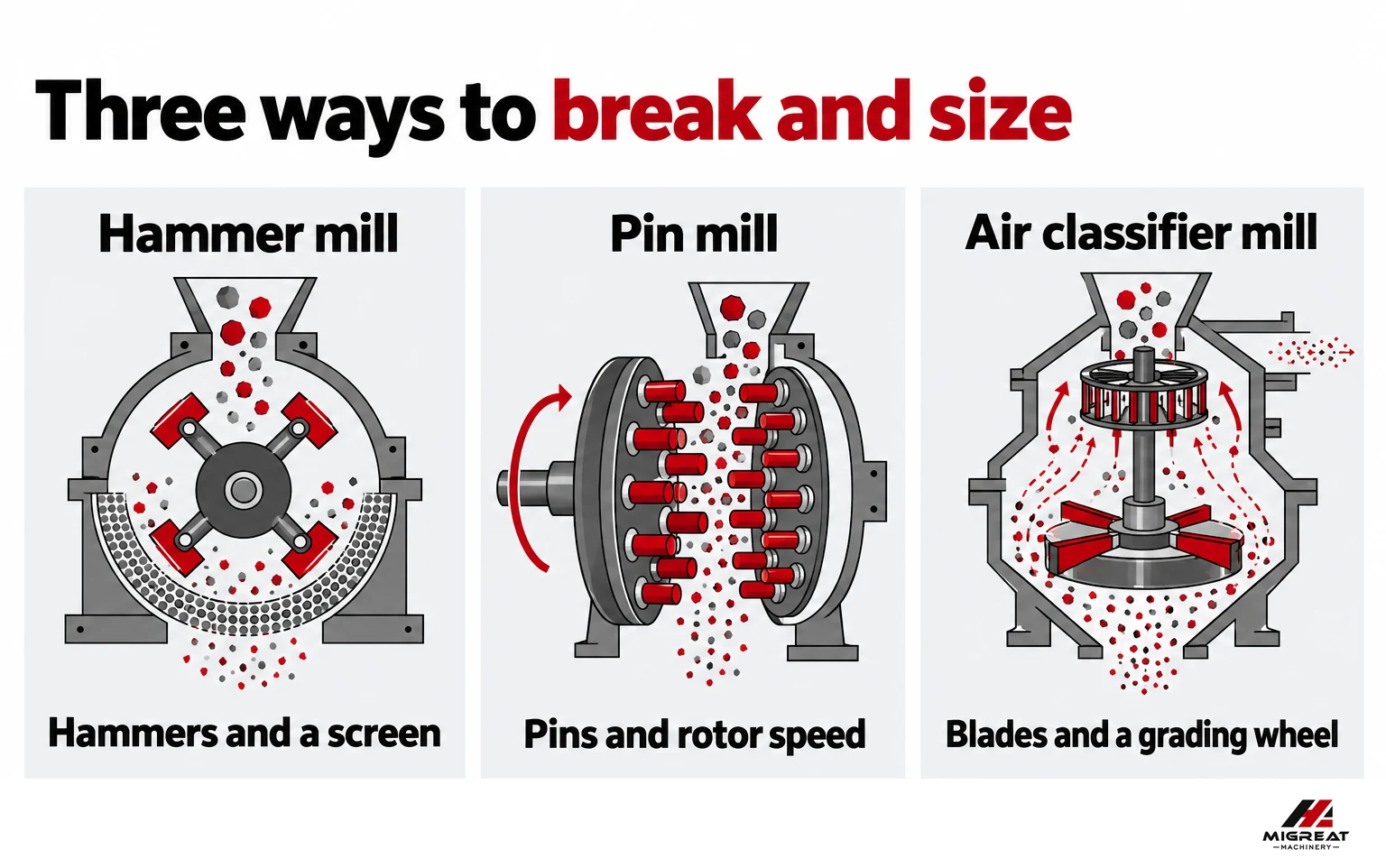
Hammer mill vs pin mill comes down to how the particle breaks and how the size is set. A hammer mill strikes the material with swinging hammers and lets the powder out through a screen, so the screen sets the size. A pin mill breaks it between rows of pins on a spinning disc and a fixed disc, and the rotor speed and feed rate set the size. An air classifier mill adds a grading wheel, so the wheel sets the size and no screen is needed.
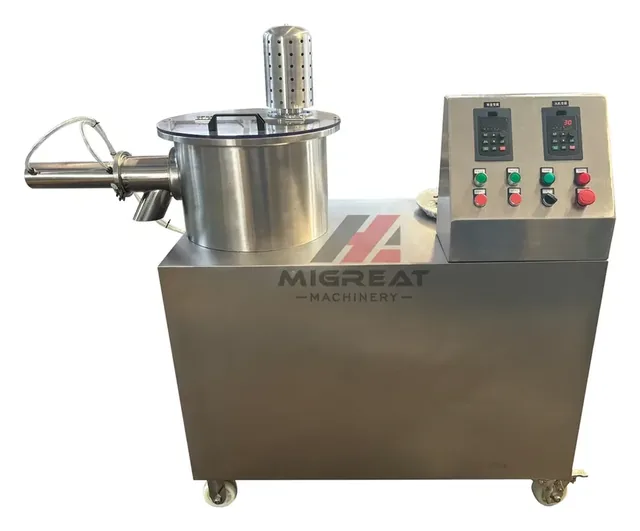
Migreat covers the range with the GFS hammer mill at 5 to 100 mesh, the WF universal grinder at 20 to 120 mesh with a pin blade option, and the WFJ air classifier mill at 80 to 800 mesh. Material first, target mesh second, capacity third.
- Hammer mill, screens of 10 to 100 mesh, 10 to 1,000 kg/h on the GFS
- Pin blade on the WF universal grinder, 20 to 120 mesh, 50 to 600 kg/h
- Air classifier mill, 80 to 800 mesh, grading wheel and no screen
- Oily, sugary or fibrous feed is the case that changes the answer
Most pages on hammer mill vs pin mill answer it in a table with three rows, and the table is right as far as it goes. What it leaves out is the order in which the questions should be asked. The material comes first, because a mill that cannot handle it will never reach the target, whatever the datasheet says.
This page compares the hammer mill, the pin mill and the air classifier mill, takes hammer mill vs pin mill as the starting point and looks first at what each one does to a particle. It explains what a hammer mill is, what a pin mill does, where each stops, and how the Migreat machines map to them. It does not cover ball mills or roller mills, which grind in different ways and suit different material.
Hammer mill vs pin mill vs air classifier mill in one table
The table sets the three on the points that decide most purchases. The Migreat figures come from the machine pages, and the pin mill column uses the WF universal grinder, which can be matched with a pin blade, because no separate pin mill page exists.
The pattern is that the hammer mill is the flexible workhorse, the pin mill is the fine grinder for brittle material, and the air classifier mill is the specialist for fine, difficult feeds. The overlap is large between 40 and 100 mesh, and that is where the details below decide.
What is a hammer mill and how does it grind
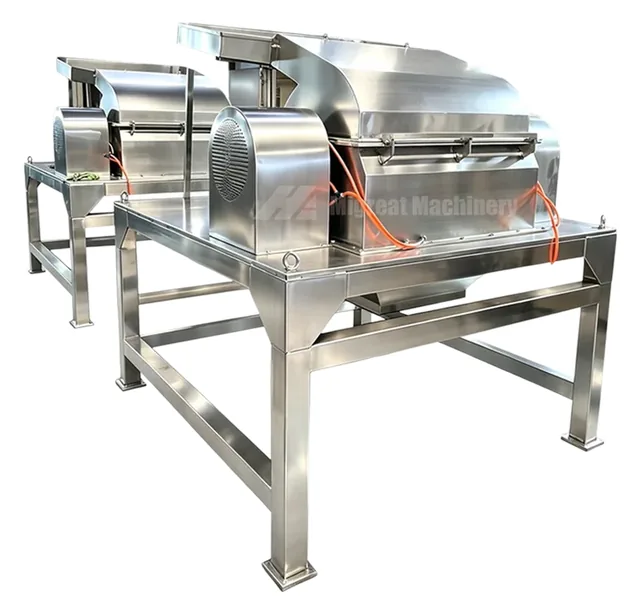
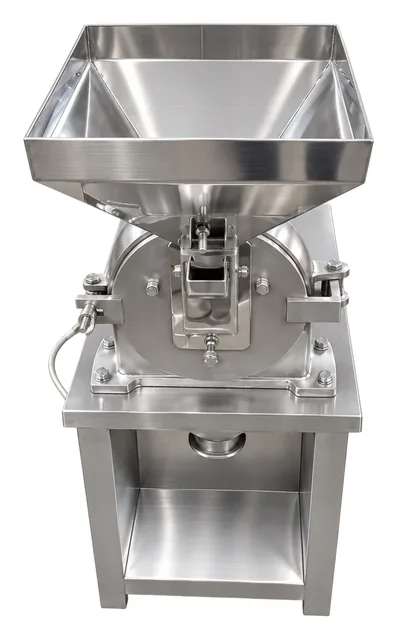
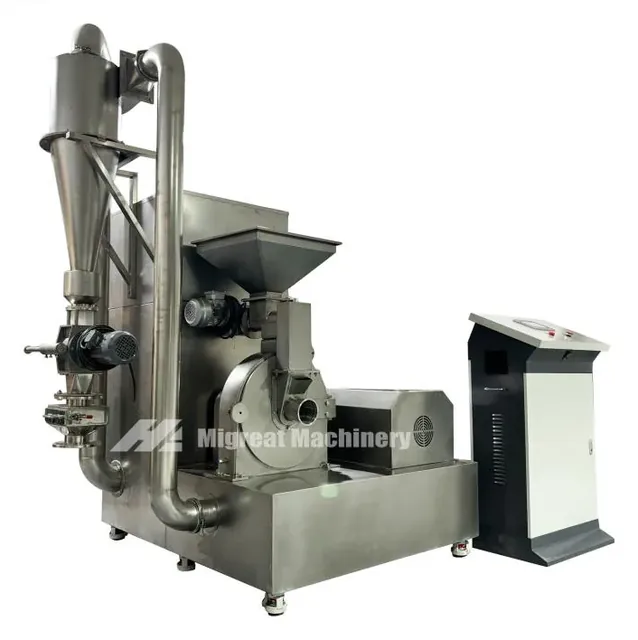
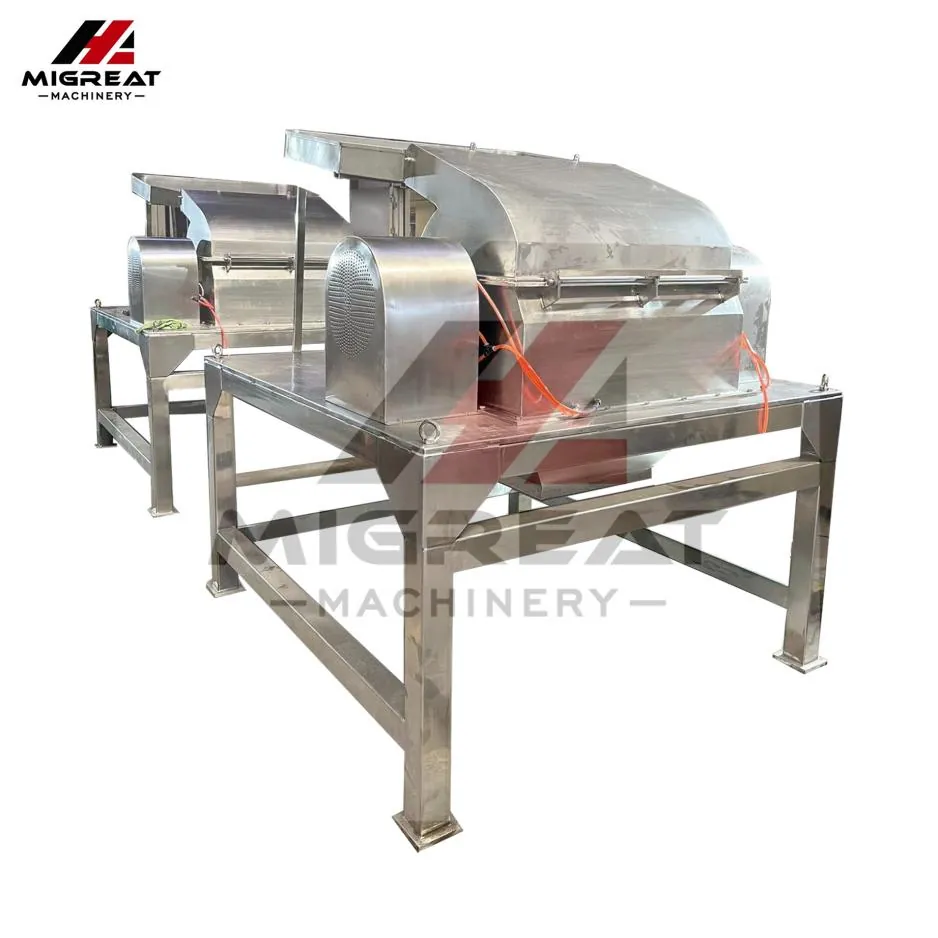
A hammer mill is a machine in which swinging or fixed hammers on a fast rotor strike the material, break it and keep working on it until the pieces are small enough to pass a screen. If you are asking what is a hammer mill, the one sentence answer is a rotor, hammers and a screen in a closed chamber. The GFS page lists screens of 10, 20, 40, 60, 80 and 100 mesh, and the fineness is changed by changing the screen.
The strength is simplicity and range. It takes feed up to 25 or 50 mm depending on the model, runs from 10 to 1,000 kg/h on the GFS and costs little to run per kilogram at moderate fineness. The limit is the screen. Oily material smears on it, fibrous material can wrap it, and the finest practical screen on these mills is 100 mesh. The hammer mill working principle page goes through the mechanism in detail.
What a pin mill does
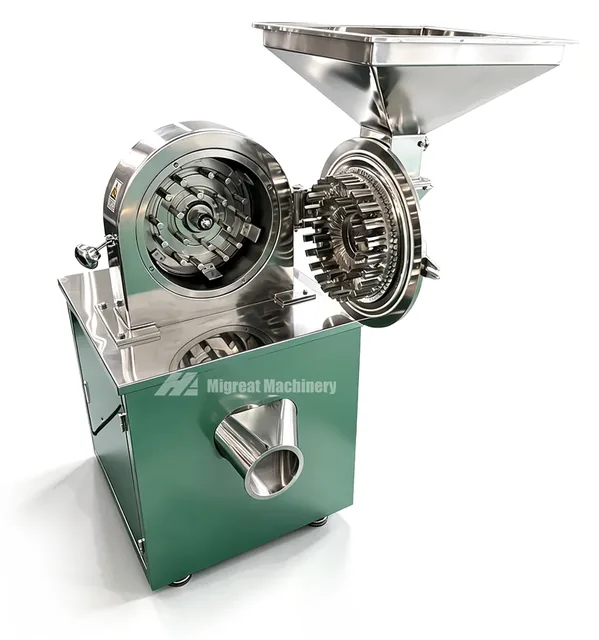
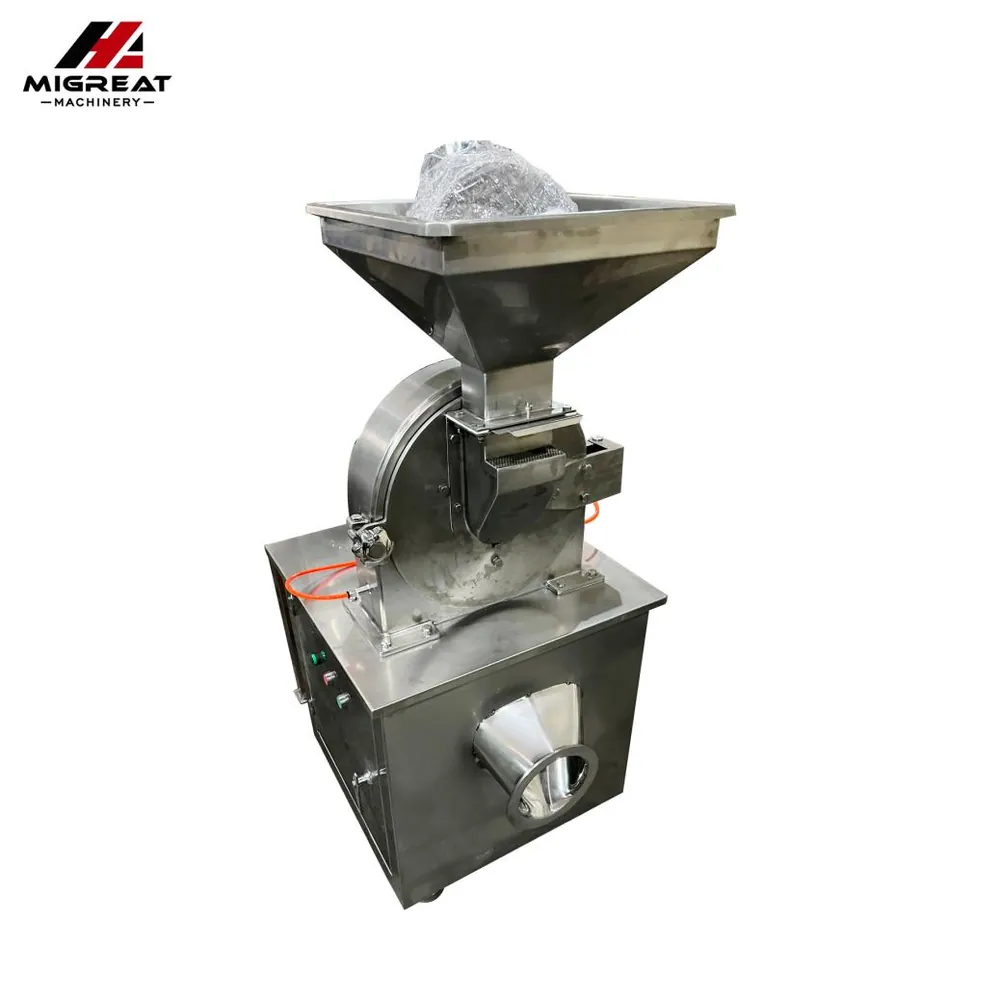
A pin mill has two discs facing each other, each with concentric rows of pins. One disc spins and the other stays fixed. Material enters at the center and is thrown outward, and the particles are broken by hitting the pins and each other on the way to the rim. The fineness depends on the rotor speed, the feed rate and the pin pattern, and a screen or classifier can be added at the discharge.
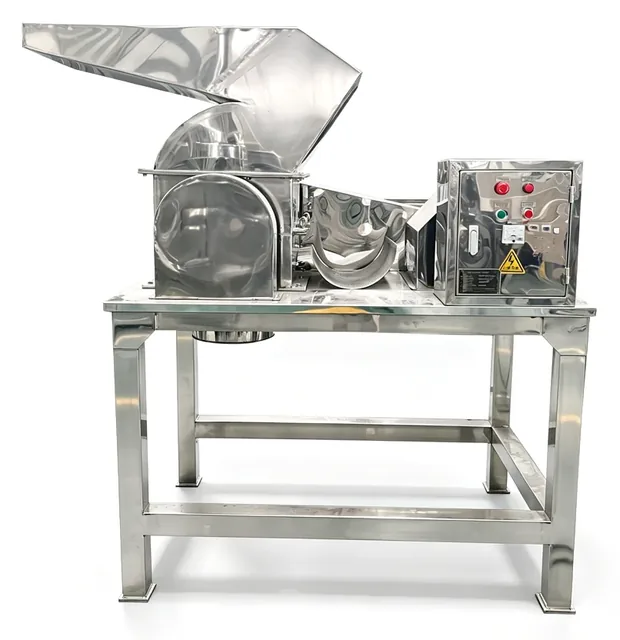
It is a fine grinder for brittle, crystalline and soft material, such as sugar crystal, gum arabic, salt and rice. The WF universal grinder is the nearest Migreat machine. Its page says it matches a pin blade, a turbine blade or other blades, with a toothed disc and fixed knife, and that the screens run from 20 to 120 mesh. It adds that strong airflow carries the heat and the product out through the screen into a capture bag.
The limits are heat and oil. The pins work at high speed, so the material warms up, and oily or sticky feed smears the discs. The WF page offers bearing and chamber water cooling jackets for that reason. It also says the WF has no dust collector and no cyclone discharge, so it cannot work continuously and suits small capacity.
Where the air classifier mill takes over
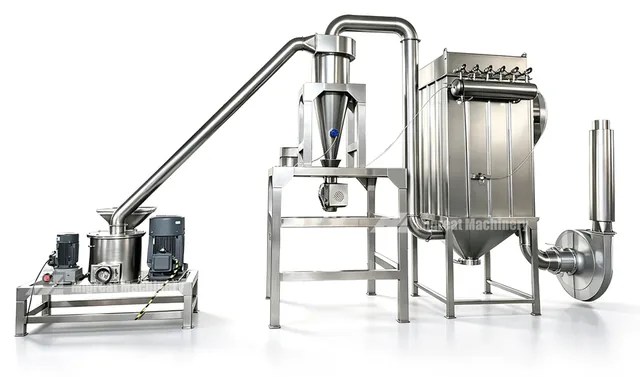
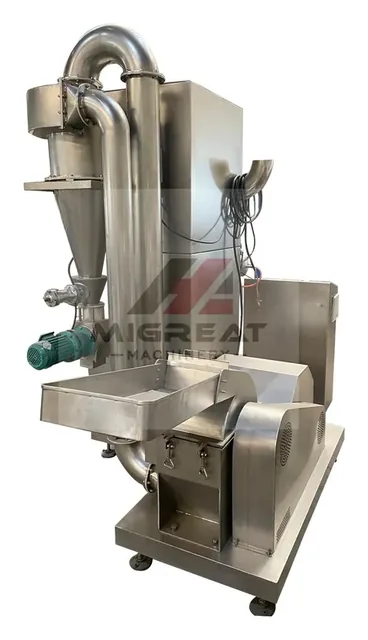
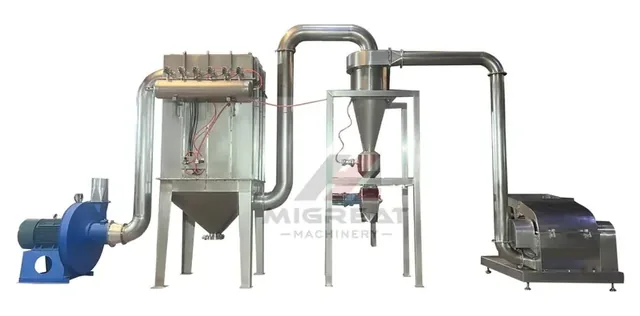
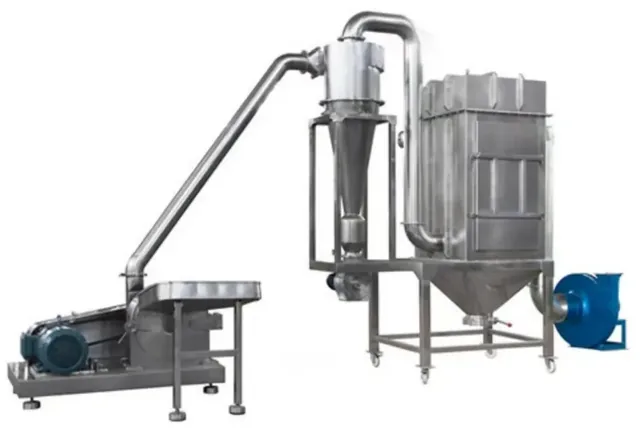
The WFJ air classifier mill cuts material with fast blades and sorts the powder with air and a rotating grading wheel, so that only fine powder leaves. The wheel speed sets the fineness from 80 to 800 mesh, and there is no screen to clog. It suits oily, sugary and fibrous material, and it is the only machine in this comparison that reaches above 120 mesh.
The cost is capacity and power. Finer cuts mean more circulation inside the mill, and the model tables show a calculated energy use of about 0.16 to 1.4 kWh per kilogram for the WFJ against 0.04 to 0.22 for the GFS. That is the price of fineness, and it is why a classifier mill is the wrong tool for a 60 mesh job. The air classifier mill working principle page explains the wheel.
Advantages and disadvantages of a hammer mill
The advantages and disadvantages of a hammer mill are easy to list, and it helps to hold them against the pin mill and the classifier mill. On the plus side a hammer mill is simple and sturdy, it takes coarse feed up to 25 or 50 mm, it covers a very wide capacity range, the fineness is changed by swapping a screen, and the power per kilogram at medium fineness is low. Spares are cheap and any plant fitter can change a screen or a set of hammers.
On the minus side the fineness stops near 100 mesh, a screen blinds on oily or sticky material, fibers can wrap the rotor, the blades and screen wear, and the product comes out with a wide spread of sizes because the screen only sets the top. Capacity also falls as the screen gets finer, which is why the GFS page says capacity depends on the material and the screen fitted.
What to check on a pin mill machine
If you are shopping for a pin mill machine, five checks separate a good fit from a poor one. The first is the pin pattern, which sets how many impacts a particle takes on the way out. The second is the gap between the discs, which sets how fine the powder can get. The third is the rotor speed range, because the speed is the main control for fineness. The fourth is cooling, and the fifth is how the discharge works.
For the WF, the page states a toothed disc and fixed knife, screens of 20 to 120 mesh, bearing and chamber water cooling jackets, an optional magnetic device at the discharge, and a pin blade or a turbine blade as alternatives. It also says the WF has no dust collector and no cyclone discharge unless one is added, so confirm that your plant does not need a continuous system.
Hammer mill vs air classifier mill, power and capacity
The cleanest way to compare the hammer mill and the classifier mill is the energy per kilogram, which the model tables let you calculate. Divide the motor power by the rated capacity. The figures are calculated from rated values, they are a guide and not a measurement, and the pattern is what counts.
On the middle of each range the WFJ-100 uses about two to three times the energy per kilogram of the GFS-1000, and the small WFJ-15 about six times that of the GFS-200, because the finer cut means more circulation. That is the reason to use the classifier mill only where the target calls for it, and to run a machine inside its range and not at either end.
Wear parts and upkeep
All three mills wear, and the wear changes the product slowly. In a hammer mill the hammer edges round off and the screen thins, and the powder gets coarser or the output falls. In a pin mill the pins wear and the gap between the discs opens. In a classifier mill the blades and the wheel wear, and the cut drifts. In each case the sign is the same, a slow change in the sieve result.
Plan for it. Ask for the life of the blades, pins and wheel on your material, ask for the price of spares, and keep a spare set on the shelf. Check the sieve result at a set interval and write it down, because the drift is the early warning. Abrasive feeds such as some minerals shorten every life, and an honest supplier will tell you so.
Fineness range and what it means in microns
The three machines cover different parts of the mesh scale, and the overlap is where buyers get confused. The hammer mill covers about 5 to 100 mesh, the pin mill route about 20 to 120 mesh, and the air classifier mill about 80 to 800 mesh. In microns that is from a few millimeters down to about 150 microns for the first, 125 microns for the second, and 180 down to 18 microns for the third.
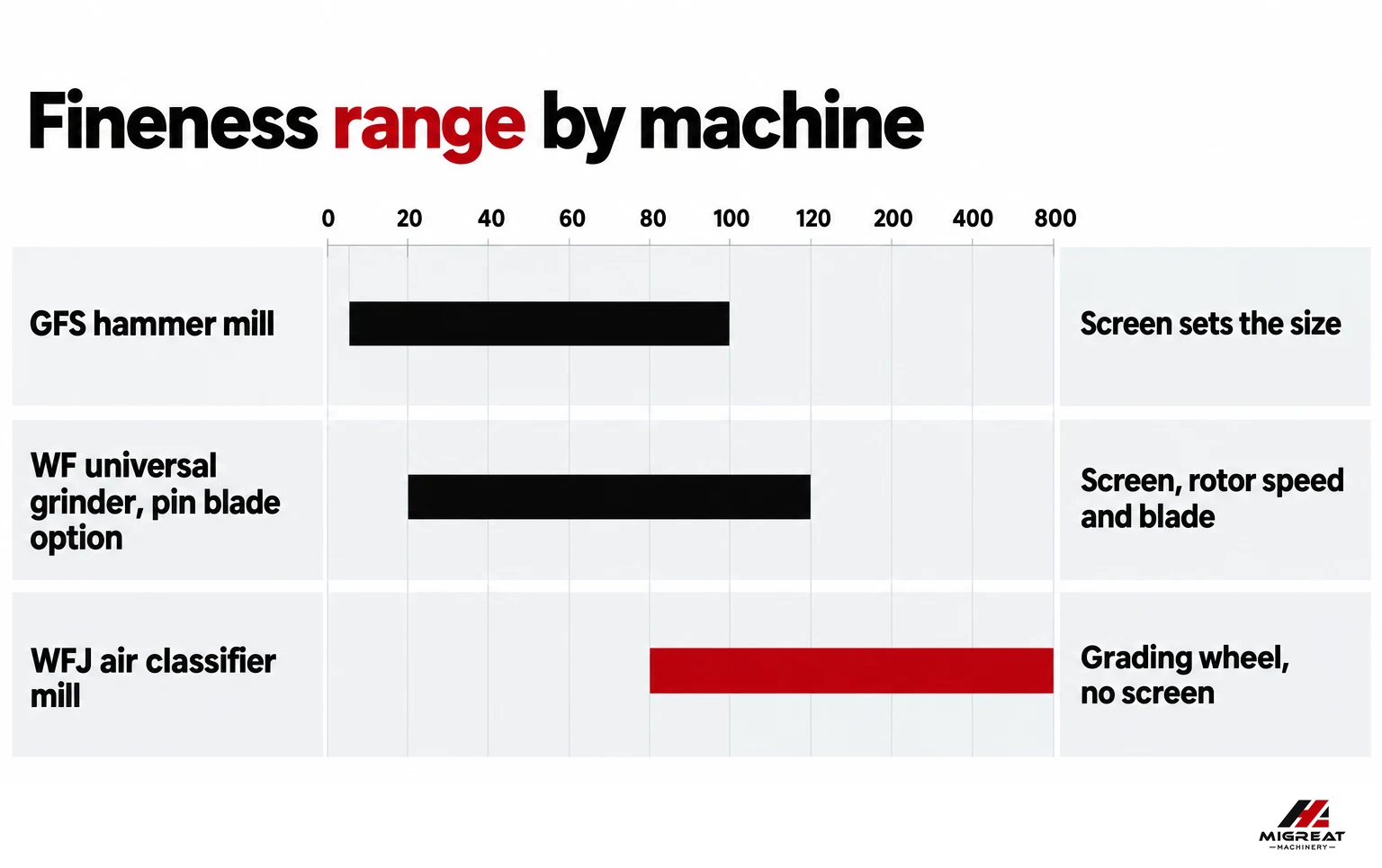
The mesh to micron chart gives the conversion. Remember that a mill produces a spread of sizes around its setting, and that the figure on a page is the top of the range, not the middle of the distribution. State the mesh and the share that must pass it, and ask for a trial grind.
What each mill suits, by material
Material decides more than the fineness does. The table sorts the common cases and says which mill is the first candidate. It is a first filter and a trial on your own material is the second.
The WFJ page says roots, stems and leaves are the kind of material a regular grinder only reduces to about 60 mesh. The WF page lists chickpea, soybean, rice, sugar, salt, monosodium glutamate, star anise, cinnamon, pepper, curry, ginger and tea. Those two lists are the nearest thing to a map of what each machine has been used for.
Heat, dust and contamination
Every mill turns energy into heat, and the finer the grind the more heat there is. The GFS can have a cold air fan connected so the chamber temperature does not rise, the WF has water cooling jackets on the bearings and the chamber, and the WFJ has a water cooled jacket or an air cooler. The low temperature grinding page explains the options for spices.
Dust is the other side effect. The GFS comes with a pulse collector and cyclone version, the WF can be matched with a general or a pulse dust absorption system, and the WFJ always has a pulse collector. A magnetic device at the discharge catches metal pieces from the feed on the WF. Ask for the same three items in every quotation, the cooling, the dust control and the metal catch.
A worked example, three products and one plant
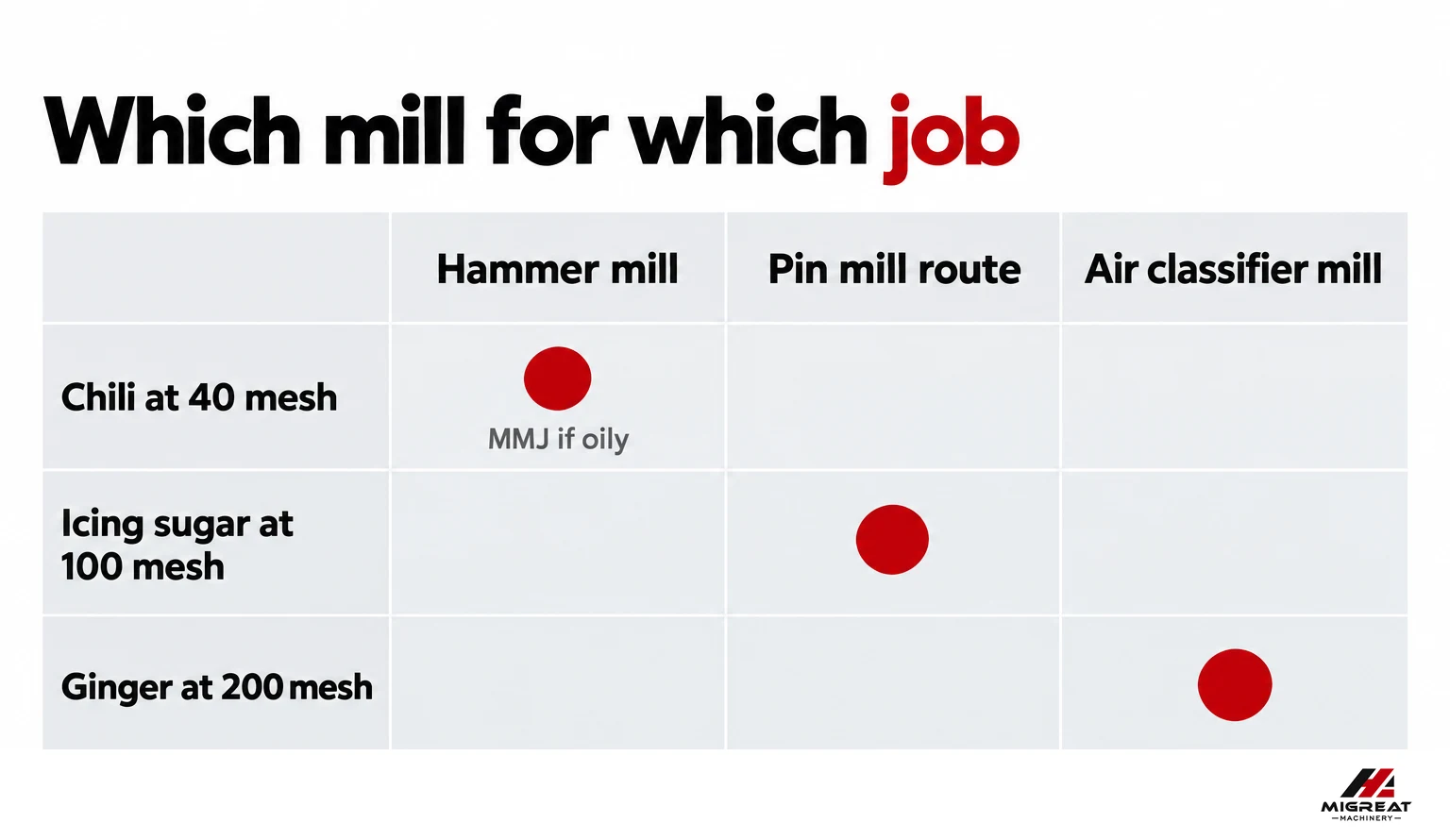
A plant makes three products. Chili powder at 40 mesh, icing sugar at 100 mesh, and ginger powder at 200 mesh. Each one points to a different machine, which is the reason plants often own all three.
The chili at 40 mesh is a hammer mill job. A GFS or MMJ fitted with a 40 mesh screen does it at the capacity of the line, and the MMJ is the safer choice if the chili is oily. The sugar at 100 mesh is a pin mill job, because sugar is brittle and crystalline and the WF reaches 120 mesh. The ginger at 200 mesh is the WFJ job, because 200 mesh is beyond any screen on these mills and ginger is fibrous.
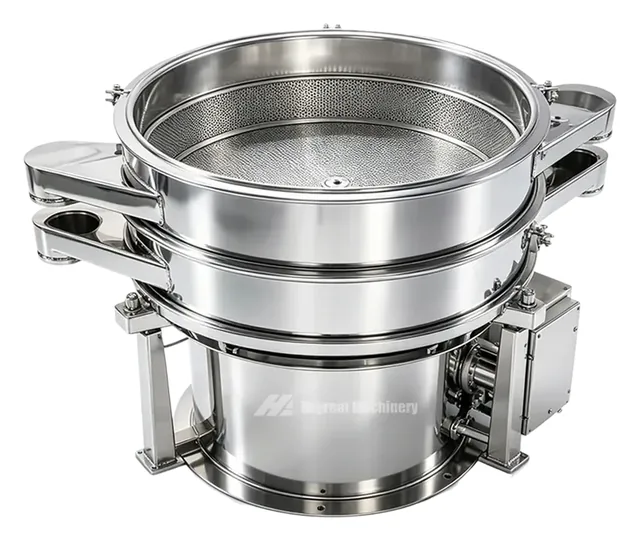
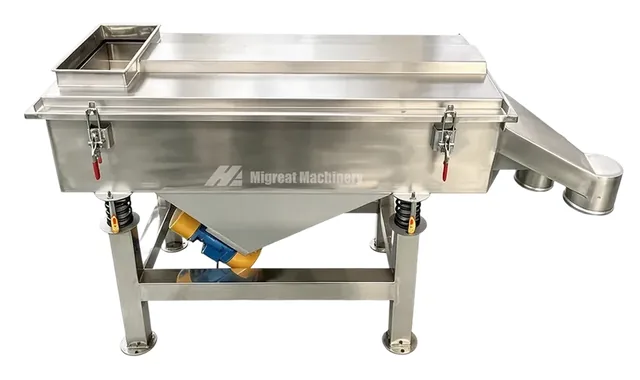
The same example shows the sequence in a line. Ginger root goes through a coarse crusher first, then a hammer mill, then the classifier mill, and a vibrating sifter checks the result. The particle size reduction page explains how to chain stages like that.
How to choose between a hammer mill vs pin mill in four questions
Name the material
Write its moisture, oil content, and whether it is brittle, fibrous or sticky. This decides which mills can even be candidates.
Set the target and the share
Say the mesh and how much of the powder must pass it. Up to about 100 mesh is hammer mill territory, and above 120 mesh the classifier mill is the realistic route.
Check the heat
Oily or heat sensitive material needs cooling, whichever mill you pick.
Match the line
Mills need feeding, dust collection and screening. Choose the mill with the rest of the line in view.
Then ask for a trial, because hammer mill vs pin mill is not settled by any table. It is settled by your powder on the machine. A short test on your own material costs far less than a mill that cannot hold the number, and most suppliers will run one if you send a sample. The list of what to send before a quote gives the details an engineer needs to name a model in the first reply.
Mistakes buyers make
- Buying a classifier mill for a job that a screened hammer mill does at a fraction of the power.
- Choosing a pin mill for an oily material that smears the discs.
- Reading the top of the mesh range as the fineness you will get in practice.
- Ignoring cooling and dust until the first trial shows the problem.
- Comparing quotations on price without the same capacity at the same mesh.
What to put in the quotation
- The material, its moisture and oil content, and the feed size.
- The target mesh with the share passing, and the test used to check it.
- The capacity at that mesh, not the rated range.
- The cooling, the dust control and the metal catch.
- A trial grind on your own material before the order.
The three mills at work
The videos show a hammer mill on ginger, a pin mill on sugar crystal and the air classifier mill on cinnamon.


Material comes first, the target mesh second and the capacity third, and a trial grind settles whatever the table leaves open.
Send the material, the target mesh with the share passing and the capacity per hour through the contact page, and an engineer can recommend a mill. The GFS hammer mill, WF universal grinder and WFJ air classifier mill pages list the models, and the grinding machines page shows the rest.
Grinder selection FAQ
QHammer mill vs pin mill, what are the key differences?
A hammer mill strikes material with swinging hammers and lets it out through a screen, so the screen sets the size. A pin mill breaks it between pins on a spinning and a fixed disc, and rotor speed and feed rate set the size. A pin mill suits brittle crystalline material.
QWhat is a hammer mill used for?
It grinds dry, brittle or fibrous material into powder through a screen, such as spice, salt, herbs, grain and oil cake. The GFS runs from 10 to 1,000 kg/h with screens of 10 to 100 mesh, and the MMJ handles oily and fibrous spice.
QWhat does a pin mill do?
It grinds brittle, crystalline and soft material such as sugar crystal, gum arabic, salt and rice into fine powder. Particles break on rows of pins on a spinning disc and a fixed disc. The WF universal grinder takes a pin blade and reaches 20 to 120 mesh.
QHammer mill or air classifier mill for spices?
A hammer mill handles most spice grinding up to about 100 mesh. An air classifier mill is for fine powder above about 120 mesh, up to 800 on the WFJ, and for oily, sugary or fibrous material that would blind a screen.
QWhat are the different types of mills for powder?
This page compares three. The hammer mill sets size with a screen, the pin mill with rotor speed and feed rate, and the air classifier mill with a grading wheel. Coarse crushers, universal grinders and suction grinders sit around them in a line.
QWhat are the disadvantages of a hammer mill?
Fineness stops near 100 mesh on a screen, oily material smears the screen, fibrous material can wrap it, and the blades and screen wear. Capacity also falls as the screen gets finer. A classifier mill is the answer when the target is finer.
QDoes Migreat make a pin mill?
There is no separate pin mill page. The WF universal grinder uses a toothed disc and fixed knife and can be matched with a pin blade, a turbine blade or others. Our channel shows pin mill grinders on sugar, rice and gum, so ask about your material.